

Category ambiguity
Prospects cannot search for a solution clearly when the site never defines the problem, category or use case in buyer language.
B2B SEO for the United States market
Turn technical expertise, buyer questions and commercial proof into a search architecture that supports discovery, evaluation and qualified conversations.
SEO beyond the first click
A single high-volume keyword rarely represents a complex buying journey. American B2B prospects move between problem research, category education, feature comparison, implementation concerns and vendor validation.
The website needs a connected set of pages that explains what the company does, where it fits, who it helps and why its approach is credible. SEO supports this journey by making each decision stage discoverable.
The work is tied to pipeline language where possible. Sales objections, qualification criteria and lost-deal feedback can reveal more useful content opportunities than keyword volume alone.
The commercial problem
The strategy turns internal expertise into useful, reviewable assets without flattening it into generic AI copy.
Prospects cannot search for a solution clearly when the site never defines the problem, category or use case in buyer language.
Service pages often skip integrations, process, risk, fit, alternatives and implementation questions that serious buyers investigate.
SEO teams may chase volume while sales teams quietly know which questions and accounts actually matter.
The working scope
Each layer supports a different decision while reinforcing the same company entity and commercial story.
Problems, categories, services, industries, use cases and buyer stages mapped into distinct page roles.
Templates, crawl paths, indexing, performance and structured data aligned with the intended architecture.
Clear explanations of fit, process, outcomes, limitations and next steps for serious evaluators.
Comparisons, alternatives, implementation guidance and objection-led resources grounded in real expertise.
Expert profiles, citations, third-party mentions and evidence that support trust without invented proof.
Landing behavior, form quality and sales observations used to refine topics and conversion paths.
Who it serves
The model favors commercial depth over publishing speed.
Platforms with multiple stakeholders, integrations, features and category education requirements.
Suppliers competing on technical capability, specification, reliability and application knowledge.
Consulting, recruitment and specialist firms selling expertise through trust and fit.
Sales-informed search
Discovery calls, proposals, support questions and sales objections reveal the language buyers use when the purchase becomes real. Search research validates and organizes those themes rather than replacing commercial knowledge.
Pages are assigned a clear role: attract a problem-aware prospect, define an approach, answer a comparison, reduce risk or invite a qualified next step.
Measurement includes lead relevance and page-assisted journeys where possible, not only the last organic landing page before a form submission.
The first operating cycle
The first cycle aligns search opportunities with the actual B2B sales process.
Capture offers, buyers, objections, qualification rules, competitors and the language used by sales.
Connect search themes to decision stages and define the page architecture required.
Strengthen priority service and decision pages with technical and internal-link support.
Compare visibility and engagement with lead quality and sales feedback.
US commercial scope
Complex markets may require a broader research and content scope. The proposal defines the initial commercial pages, implementation responsibilities and monthly operating rhythm.
Every engagement is quoted individually. Published figures are starting points only, not fixed packages.
Straight answers
No invented US office, guaranteed outcomes or hidden delivery chain.
Ask about the US market →B2B SEO accounts for longer sales cycles, multiple stakeholders, complex questions and the importance of lead quality over raw traffic.
US B2B SEO engagements start from $750 per month. Research and content depth influence the final scope.
Yes. Sales language, objections and qualification feedback are valuable inputs for search architecture and content priorities.
Yes. The framework can cover categories, features, use cases, integrations, alternatives and implementation questions.
Yes. Delivery location does not prevent US market research, but the agency remains transparent about being South African.
No. SEO can improve relevant discovery and conversion paths, but buyer decisions and market outcomes cannot be guaranteed.
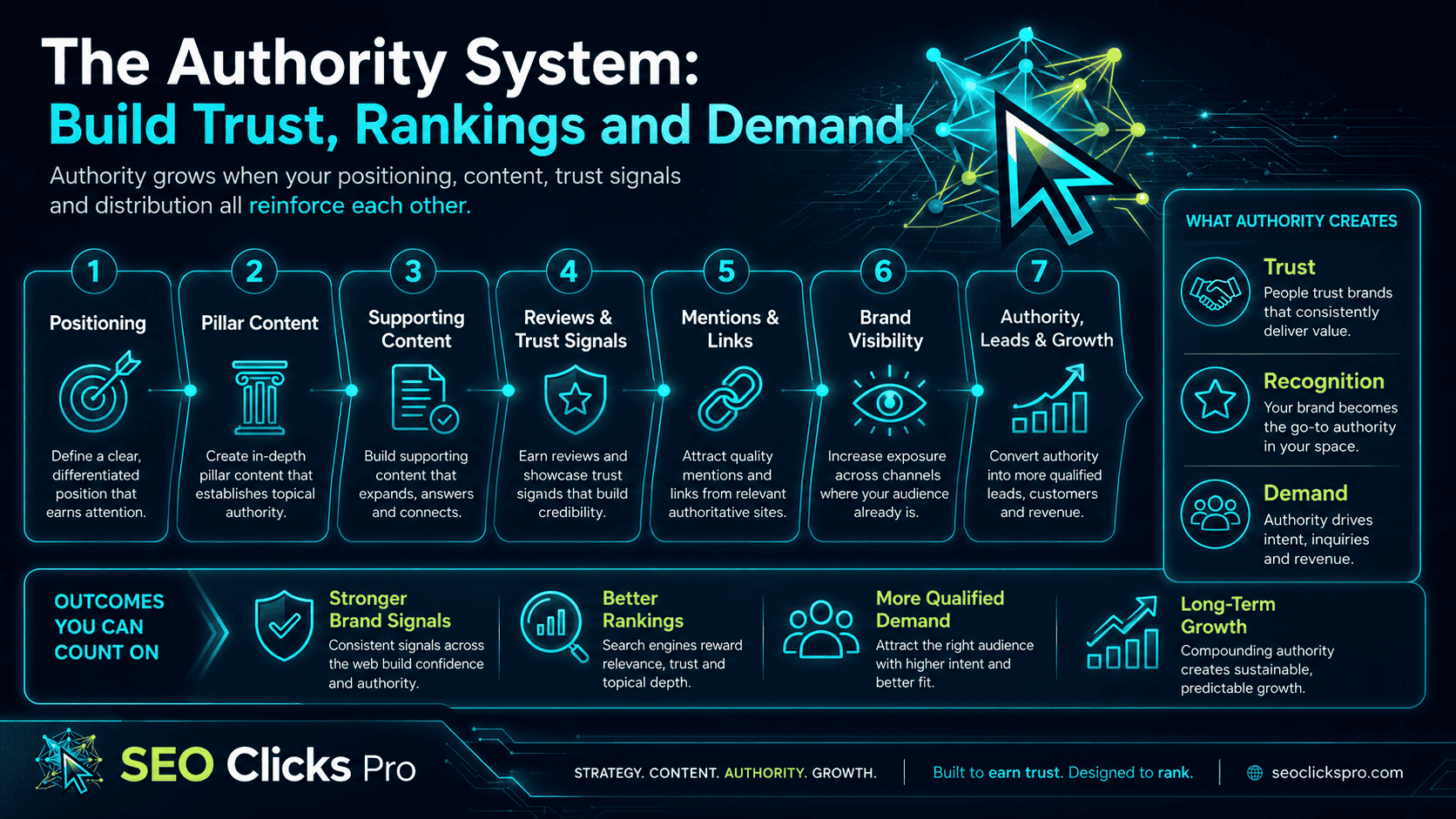
B2B authority
Technical clarity, useful content and independent recognition work together to create qualified demand over time.
Let’s build something useful
Bring the offer, target accounts and sales objections. We will identify where search can support the buying journey.