
Search demand audit
We establish which searches exist in your market, which ones convert, and which are being fought over by businesses far larger than you.
Small business SEO
SEO for small business is not a smaller version of an enterprise campaign. It is a decision about which handful of searches are worth owning, because a small business cannot afford to be mediocre at fifty keywords. We work out where your next enquiries actually come from, fix what is blocking those pages, and then build outward from the terms that pay for themselves.
What winning looks like
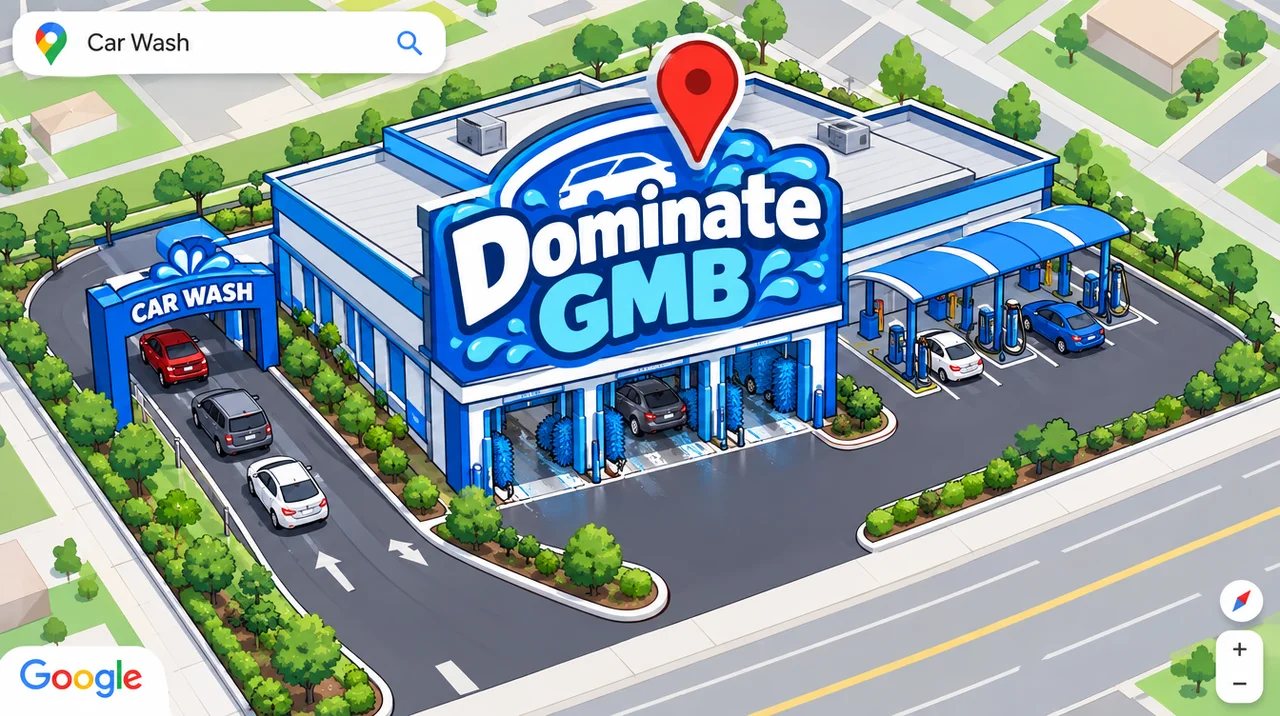
When somebody nearby searches for what you sell, most of the clicks happen in the map pack rather than in the blue links. That is the position the work is aimed at, and it is why the Google Business Profile, reviews and service-area pages carry so much of the outcome for a small business.
The problem
Small business owners usually arrive with two conflicting beliefs: that SEO is too expensive, and that they have already tried it. Both are usually explained by the same thing, which is that the work got spread across too many terms, or stopped before the pages had a chance to earn anything.
A small business does not need to outrank a national brand everywhere. It needs to be the obvious answer in the specific searches its customers use, and to have a page that closes the enquiry when they land on it. That is a smaller, sharper job than most agencies sell.
The system
A business with four staff and one service area needs different work from a distributor with fifty products and no shopfront. We scope to the business in front of us.
We establish which searches exist in your market, which ones convert, and which are being fought over by businesses far larger than you.
Crawling, indexing, canonicals, redirects, page speed, mobile behaviour and structured data. Small sites still fail on these.
One clear page per service you actually sell, written for the customer rather than for a keyword list.
Google Business Profile, service areas, reviews, consistent business details and local pages where there is real demand.
Relevant links, citations, supplier and partner mentions, and content worth referencing. Slowly, and in your market.
Calls, forms, direction requests and which pages produce them. A ranking that produces nothing is not a result.
Budget reality
A small business cannot absorb six months of invisible work. So the order of operations matters more than the size of the retainer: fix what is broken, claim the searches you can realistically win, and let the early wins fund the slower work.
That usually means starting with the searches you are closest to ranking for, and the pages most likely to convert once they arrive. Broad, competitive terms come later, once the site has earned enough relevance to compete for them.
Problems we see most
None of these are exotic. They are the reasons a good business stays hard to find, and every one of them has a specific fix rather than a vague promise of "more visibility".
You are the sales team, the operations team and the person who answers the phone. What we do: we take the work off you. One point of contact, a short monthly list of what changed and what it produced, and nothing you have to prepare for. You approve, we build.
A monthly document full of impressions, and a phone that stayed quiet. What we do: we report calls, forms, direction requests and the pages that produced them. If a month produced nothing, that is the first thing we tell you.
A large retainer is not available to a business with four staff, and a twelve-month contract to find out is worse. What we do: we sequence the work. Fix what caps everything, win the searches you are closest to, then let the early wins fund the competitive terms.
The profile was never claimed, the hours are three years old, and the phone number differs from the website. What we do: we claim and rebuild the profile, make the details consistent everywhere, and connect it to the pages describing the same services.
One services page is trying to sell six different things, so it ranks for none of them. What we do: one clear page per service you actually sell, each written for the customer searching for that specific job rather than for a keyword list.
The work is not always better; the signals are. What we do: we build relevance and authority in your market, through reviews, local mentions, supplier and partner links, and content that answers the questions competitors ignore.
Most local searches happen on a phone, often on a poor connection. What we do: technical fixes across speed, mobile layout, broken links, redirect chains, duplicate pages and the structure Google needs to understand what you sell.
Referrals stop growing when your network does, and they stop entirely when you stop asking. What we do: build search as the one channel that keeps working without you making a call, so enquiries arrive while you are on a job.
A form fills a mailbox nobody checks until the evening, and the job has already gone to whoever replied first. What we do: we connect the enquiry to a real follow-up path, including automatic acknowledgement and a fast first response, because for a small business the speed of the reply decides more work than the ranking does.
A page that earns a position is only half the result. The other half is whether the visitor recognises their own problem in what they read and makes contact, which is why we treat content, page structure and conversion as one job rather than three.
Where is the business right now?
We scope by your real market, your margins and how many enquiries you can actually service, not by a package tier.
The priorities are a site that can be crawled and trusted, clear service pages, a properly built Google Business Profile and consistent business details everywhere.
Get found for the services you already sell.We tighten targeting, strengthen the pages that convert, add the questions customers ask before buying and build authority in your actual market.
Turn existing traffic into qualified enquiries.We extend into adjacent services and locations, deepen the content footprint and compete on the broader commercial terms that were previously out of reach.
Widen the map without losing local strength.How we approach it
Small business SEO fails when it starts with a twelve-month plan and no early result. We deliberately front-load the work most likely to show movement.
Technical health, current rankings, Google Business Profile state, competitors, and which searches already bring people to the site.
Fix the blockers, choose the terms worth owning first, and map the gaps between what customers search and what you publish.
Strengthen the pages that convert, add the missing ones, tidy internal links and build local and topical authority.
Measure enquiries rather than rankings, drop what does not work and reinvest into the next tier of searches.
Adding content as you grow
Managed content creation can be added when the basic pages are working, from $1,800/month. It turns the questions you answer on the phone every week into pages, posts and short-form video.
The thing every new customer asks in the first two minutes. It deserves a page, not just a reply.
Real jobs, real outcomes. Proof that answers the unspoken question about whether you can do it.
What it costs, what it involves and how long it takes. These searches carry buying intent.
Suburbs, service areas, suppliers and local conditions that make you the obvious local choice.
Frequently asked questions
Tell us what you sell, where you sell it and what a good month looks like. We will tell you honestly whether SEO is the right spend.
Ask about small business SEO →It scales with competition and scope rather than a fixed tier. A business competing in one suburb needs far less work than one competing nationally. We quote after reviewing your market, and we will say if the numbers do not justify it.
Technical fixes and Google Business Profile improvements can move visibility within weeks. Competitive commercial terms typically take three to six months. Question-based pages often move sooner than broad service terms.
Yes, and for some businesses that is the right answer. Google Business Profile, service pages and clean technical basics are approachable. Competitive targeting, technical diagnosis and authority building are where small budgets get wasted fastest.
No, and nobody credible does. Rankings depend on competition, technical health, relevance, authority and location. We commit to the work, the reporting and honest advice about what is achievable.
Small business growth
Tell us what you sell and where your customers are. We will identify the terms you can realistically win first.